Metaphor vs Simile: The Difference, With Examples That Work
The quick version first. A simile compares two things using "like" or "as": her voice was like gravel. A metaphor says one thing is another: her voice was gravel.
That's the grammar. The craft is in choosing comparisons that make a reader see something new. Here's how both work, with examples from stories on BrightChapters.
Similes: comparison in the open
Because a simile usually announces itself with "like" or "as", it often feels lighter. It's often playful, and it's very good for comedy.
Olivia Mukherjee's The Biryani Was for Bruno is full of them. The opening gives us the family dog:
Bruno's tail swept the floor like a windshield wiper in a storm.
Later, after the husband's first attempt at cooking, there's a three-word simile that does the work of a paragraph:
The sabzi tasted like regret.
Notice that the second comparison isn't physical at all. Regret doesn't have a taste. That's exactly why it's funny: the simile jumps from the tongue straight to the feeling.
Metaphors: comparison that commits
In its simplest form, a metaphor drops the "like" and fuses the two things together. Metaphors can also be implied or extended across a whole piece. They tend to feel bolder.
Ishani Sen builds her whole essay Grief Has Choreography on one:
Nobody warns you that grief has choreography.
Grief isn't literally a dance. But calling it choreography suggests steps you didn't choose, repeated movements, a routine your body falls into. A simile ("grief is like a dance") would keep a little distance. The metaphor commits, and we believe it.
She uses another a little later, about memory:
Your memory isn't organized like a calendar. It's organized like a mood board.
Technically those are similes, with "like". But the contrast does something smart: it rejects one comparison before offering a better one.
When to use which
There's no strict rule, but some patterns help.
Similes suit humour, quick description and moments when you want the reader to notice the comparison. Metaphors suit emotional weight, titles and central ideas, and moments when you want the comparison to sink in without fuss.
Many writers mix both on the same page. What matters is that each comparison is doing a job.
How to write fresh comparisons
Avoid the first one that comes to mind. "Cold as ice", "quiet as a mouse" and "heart of gold" have been used so often they don't create a picture any more. Your first idea is often everyone's first idea. Ask whether the comparison belongs to this character, this place and this mood. If it could appear in any story, keep looking.
Draw from your character's world. A chef might see a sunset as the colour of caramelised onions. A mechanic might describe a cough as an engine misfiring. Comparisons that fit the narrator do double duty: they describe and they characterise.
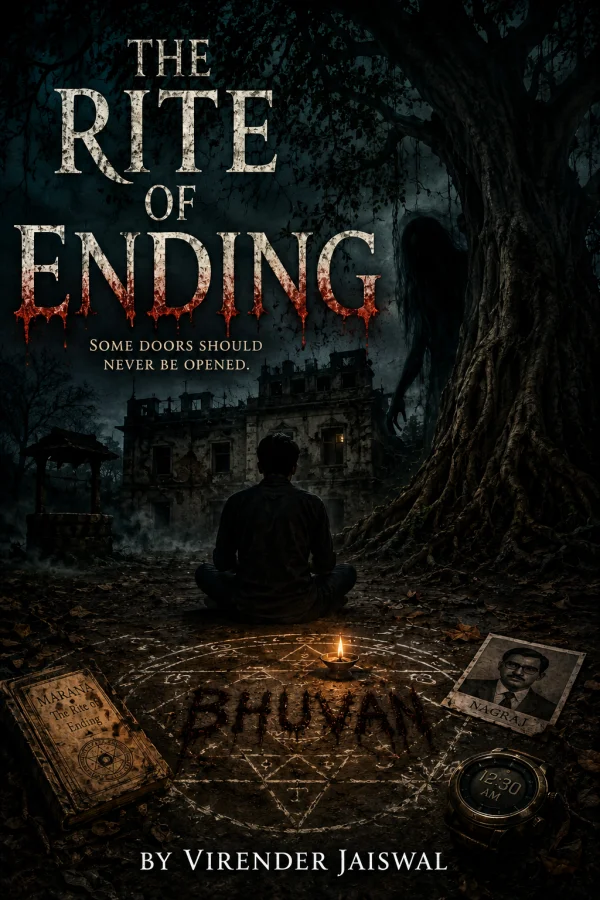
Match the mood. In horror, comparisons should unsettle. Virender Jaiswal's The Rite of Ending describes ruined bedrooms with their beams "sticking up like the house had fangs". The simile turns a building into a predator before anything supernatural happens.
Don't stack them. One strong comparison beats three in a row. If a sentence has a simile, a metaphor and an extra adjective, cut two.
Watch for mixed metaphors. "We'll burn that bridge when we come to it" and "a tidal wave of support that took off like a rocket" pull in different directions. Writers sometimes mix images on purpose for comedy, but by accident they make readers laugh at the wrong moment.
A quick exercise
Pick an ordinary object near you: a mug, a key, a pair of shoes. Write five similes for it. Cross out the first three. Turn the best remaining one into a metaphor and see which version you prefer.
For more on making description vivid without overdoing it, read our guide to show, don't tell.
Ready to put this into practice?
BrightChapters' Write page is free to use, with no account needed to start a draft.
Start Writing Read for InspirationKeep reading: new on BrightChapters
Stories published by writers on BrightChapters. Free to read, no account needed.