Writing With AI: What It's Good For, and What It Can't Do for You
Ask an AI writing assistant for a paragraph about a rainy afternoon and you'll get one in seconds. It will be tidy, grammatical and perfectly reasonable. It will also sound like nobody in particular.
AI writing tools are useful, sometimes very useful. They're also easy to misuse in ways that make your work blander and less yours. Here's a practical look at both sides.
Where AI tools help
Brainstorming when you're stuck. Ask for twenty possible titles, ten ways a scene could end, or five objections a sceptical reader might raise. Most of the suggestions will be ordinary. One or two might nudge you somewhere new. Treat the list as a warm-up, not an answer.
A second pair of eyes. Paste in a draft and ask specific questions. Where does the pacing drag? Which sentences are confusing? Is the main character's motivation clear by page two? Specific questions get far better feedback than "is this good?"
Preparing for research. An AI tool can explain the basics of an unfamiliar topic quickly, or suggest what you might need to look up. It can also be confidently wrong. Use it to find the right questions, then check facts in reliable sources before anything goes into your work.
Proofreading and tidying. Catching typos, repeated words, inconsistent spellings of a character's name. Dull jobs, done fast.
Getting unstuck on structure. Describe your plot and ask where the middle sags. A summary of your own story, played back to you, can show gaps you couldn't see.
Where it falls short
Your experience. An AI model has read a great deal about grief, first jobs and family dinners. It has never sat at your family's table. The details that make writing feel alive tend to come from noticing your own world closely, and that part is still yours.
Ishani Sen's essay Grief Has Choreography begins with a scene no machine would guess:
Today I found myself washing a dog's pee mat while doing a full Sufi-style spin to a heartbreak song, singing at a volume my neighbours did not consent to.
That sentence is funny, sad, specific and slightly embarrassing, all at once. It comes from a life. A tool can help you play with details, but the lived moment, and the judgement about which detail rings true, has to come from you.
Voice. Ask an AI tool to "improve" your writing and it will often smooth it: more balanced sentences, safer word choices, the rough edges sanded down. Sometimes the rough edges were the point. If you ask for edits, ask for suggestions you can accept or reject, not a rewrite.
Judgement. What to cut, what to keep, which scene is the heart of the story. These choices are where a writer's taste lives. An AI can offer opinions. Deciding is your job.
A few honest ground rules
Check before you trust. AI tools can invent quotes, sources and facts. Never publish a fact, statistic or quotation you haven't verified yourself.
Read the rules where you publish. Competitions, magazines, publishers and platforms have different policies on AI-assisted work, and some ask you to disclose it. When in doubt, be open about how you used it.
Keep your drafts. If your writing process is ever questioned, versions of your work in progress are the simplest way to show how it developed.
Don't feed in what isn't yours to share. Think twice before pasting someone else's unpublished work, or private details about real people, into any online tool.
A sensible way to work
One approach many writers settle into: write the first draft yourself, in your own messy voice. Then use AI tools as a critic or assistant, asking targeted questions, accepting maybe a third of the suggestions, and doing the actual rewriting by hand.
That order matters. Starting from a machine-written draft tends to anchor you to its choices. Starting from your own gives you something real to protect.
The bigger worry
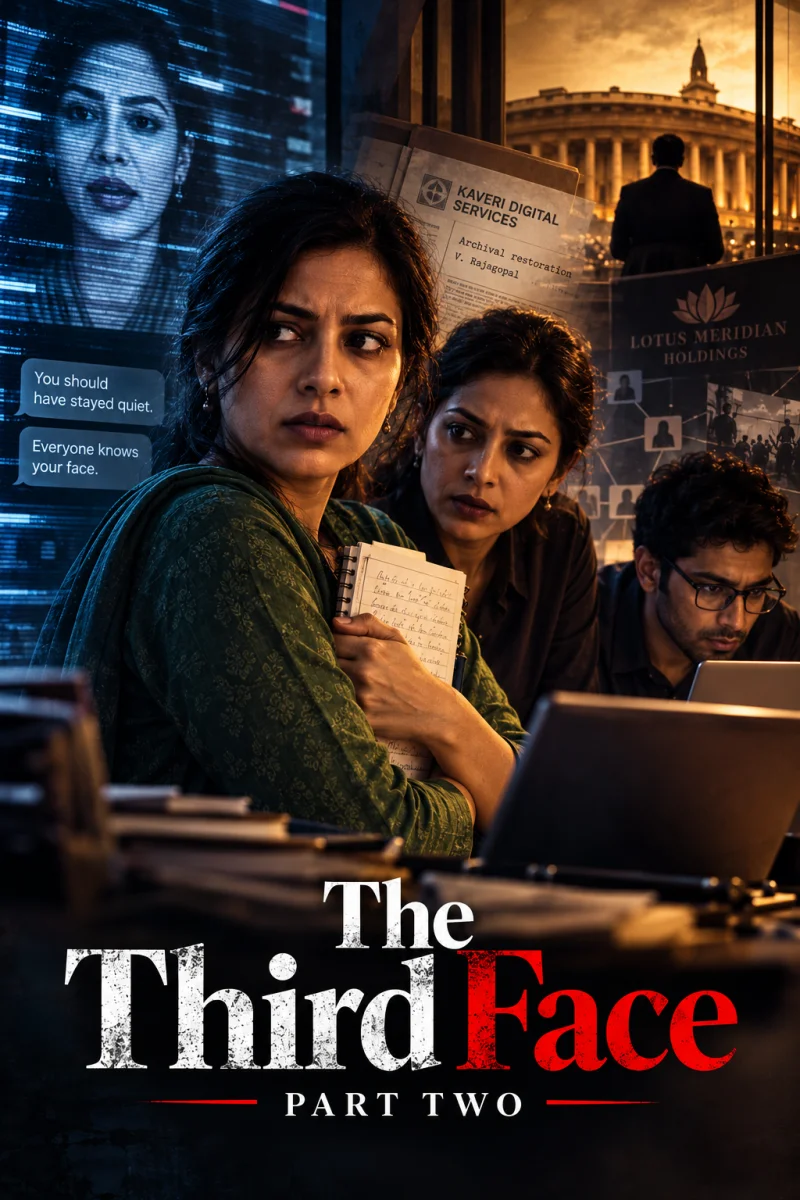
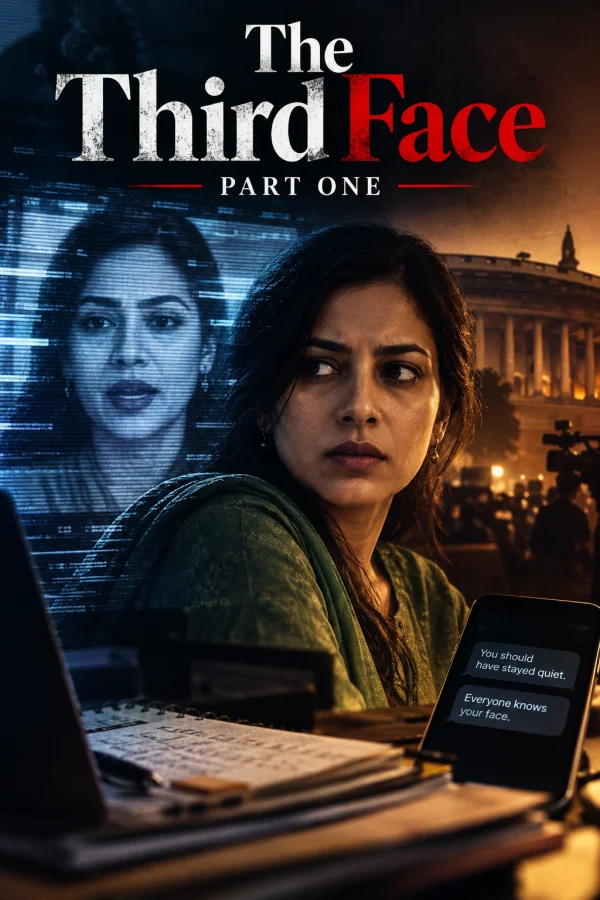
Plenty of writers feel uneasy about all this, and that's reasonable. Questions about training data, consent and creative jobs are the subject of ongoing legal cases and policy debates in many countries. Fiction is wrestling with it too. In Virender Jaiswal's thriller The Third Face, a journalist watches a convincing fake of herself go viral and realises how close the technology has come:
She had done a segment on deepfakes once, nodding at an expert. It had felt like a story about other people.
If you want a wider view of where AI is heading, our summary of Kevin Roose's The AGI Chronicles is a good starting point.
The short version
Use AI for the jobs that don't need you: lists, checks, tidying, questions. Keep the jobs that do: noticing, choosing, and saying the true thing in your own way. The difference between writing that sounds like someone and writing that sounds like anyone is usually the part readers remember.
Ready to put this into practice?
BrightChapters' Write page is free to use, with no account needed to start a draft.
Start Writing Read for InspirationKeep reading: new on BrightChapters
Stories published by writers on BrightChapters. Free to read, no account needed.