Are Book Summaries Worth It? How to Use Them Well
Some readers think book summaries are cheating. Others read nothing else. The truth sits somewhere in the middle. A good summary is a tool, and like any tool it's useful for some jobs and useless for others.
What a summary can't do
It can't give you the experience of a novel. A thriller's pleasure is in the tension of not knowing. A literary novel lives in its sentences. A memoir's power is in the voice of the person telling it. No summary can hand you those, and a good one won't pretend to.
It also can't do the slow work that changes your thinking. Spending ten hours with an author's argument, wrestling with it, disagreeing with parts of it, is different from reading the conclusions in five minutes.
What summaries do well
Help you choose. This is the big one. A good spoiler-free summary tells you the premise and the tone, and often what readers thought and who the book suits. That's often enough to know whether a 400-page commitment is right for you.
Help you remember. Reading a summary after you finish a book reminds you of its structure and the ideas you may already be forgetting. Our guide on how to remember what you read explains why that kind of review helps.
Help you keep up. Everyone at work is talking about a business book you'll never have time to read. A summary gives you enough of the main ideas to follow the conversation, and you can be honest that you know the summary rather than the whole book.
Help you decide what to skip. Some non-fiction has one great idea stretched across 300 pages. A summary can tell you whether the full book adds enough to be worth it.
How to use summaries well
Use them as a starting point, not an ending. If a summary excites you, read the book. If it doesn't, you've saved yourself time.
Be honest with yourself and others. Having read a summary isn't the same as having read the book, and it's fine to say so.
Pair them with a short note. After reading any summary, jot down the one idea you want to remember and whether you plan to read the full book.
How BrightChapters summaries work
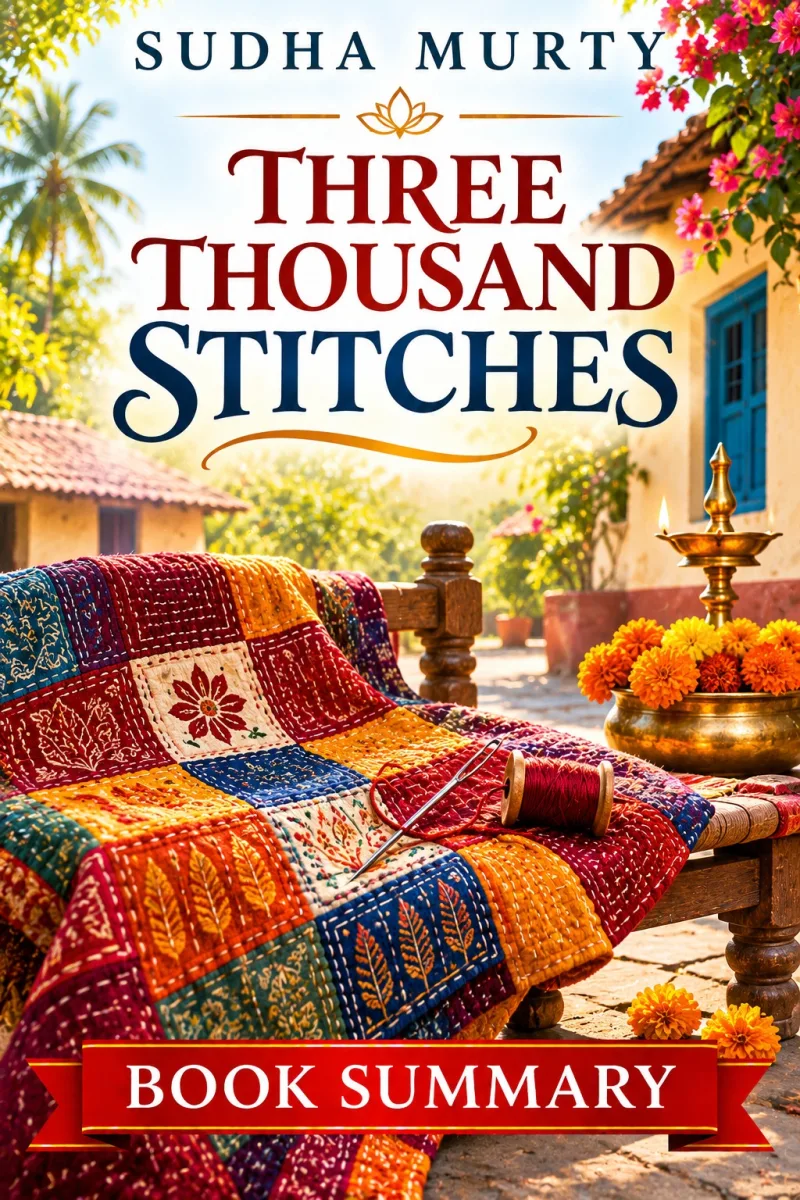
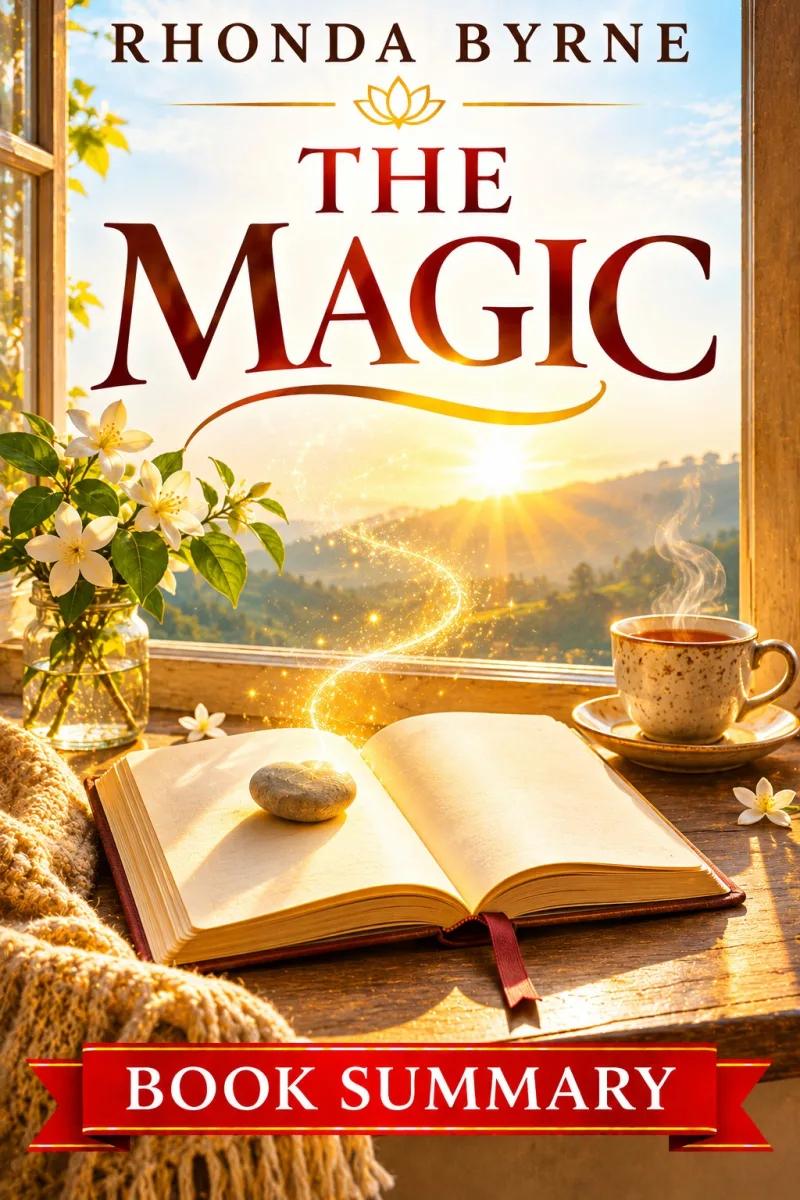
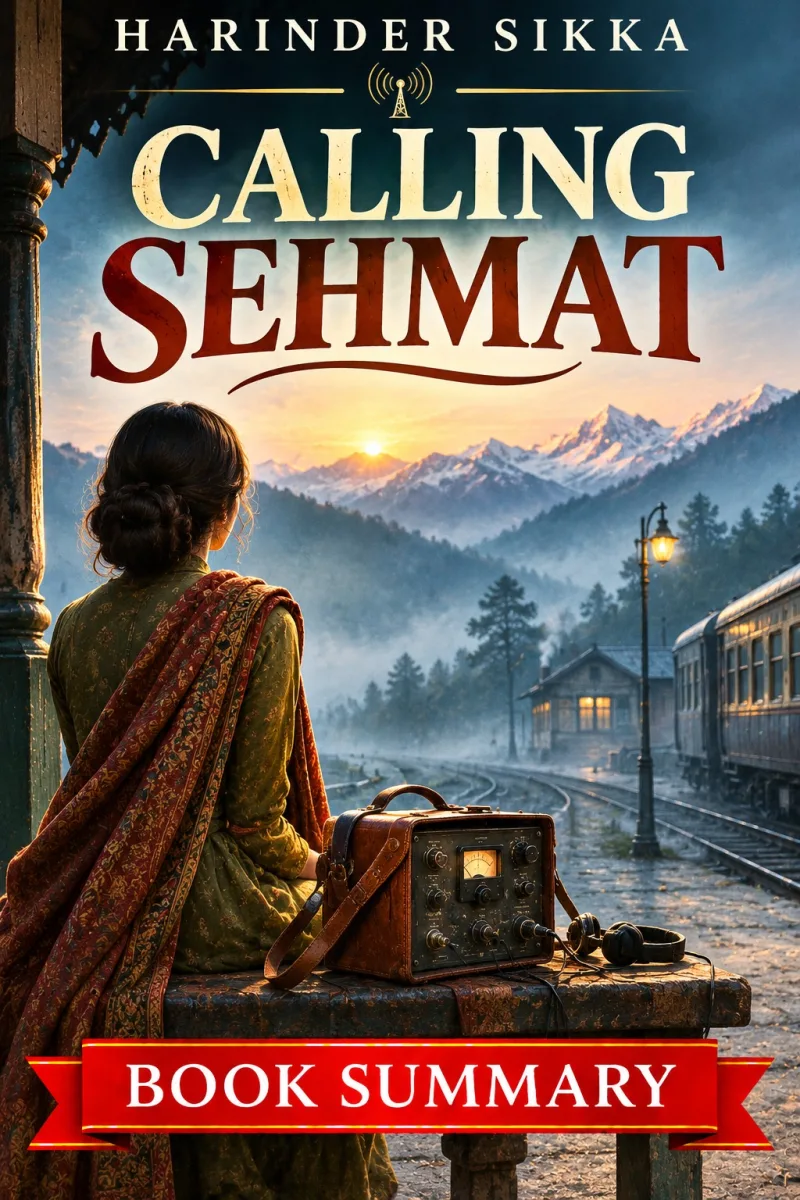
Our summaries are free to read. Each one covers what the book is about, who wrote it, what critics and readers said, and who it's likely to suit. For novels we keep them spoiler-free, and for sequels we say clearly when they're spoiler-light. Many have audio too.
We publish new ones every day, from recent fiction like Matt Haig's The Midnight Train to classics like George Orwell's Animal Farm and popular non-fiction like Atomic Habits.
The best of both
The best use of a summary is to send you, excited and informed, towards a book that's right for you. If it does that, it's earned its five minutes.
Looking for a place to start? Try our guides to the best self-help books or thrillers to read right now.
Want to see these ideas in a real story?
BrightChapters publishes original serialized fiction and non-fiction, free to read as you go.
Browse Stories Browse BooksKeep reading: our latest book summaries
Honest, practical summaries of the books people are talking about. Free to read.