Pacing in Fiction: How to Control the Speed of Your Story
Readers rarely say "the pacing was off". They say "it dragged in the middle" or "the ending felt rushed" or "I couldn't put it down". All three are about pacing: the felt speed of a story.
The good news is that pacing is controlled by a handful of tools you can learn to use deliberately.
Sentence length is the accelerator
As a rule of thumb, short sentences speed things up. Longer, winding sentences slow the reader down and invite them to look around. Context matters too, so treat this as a starting point.
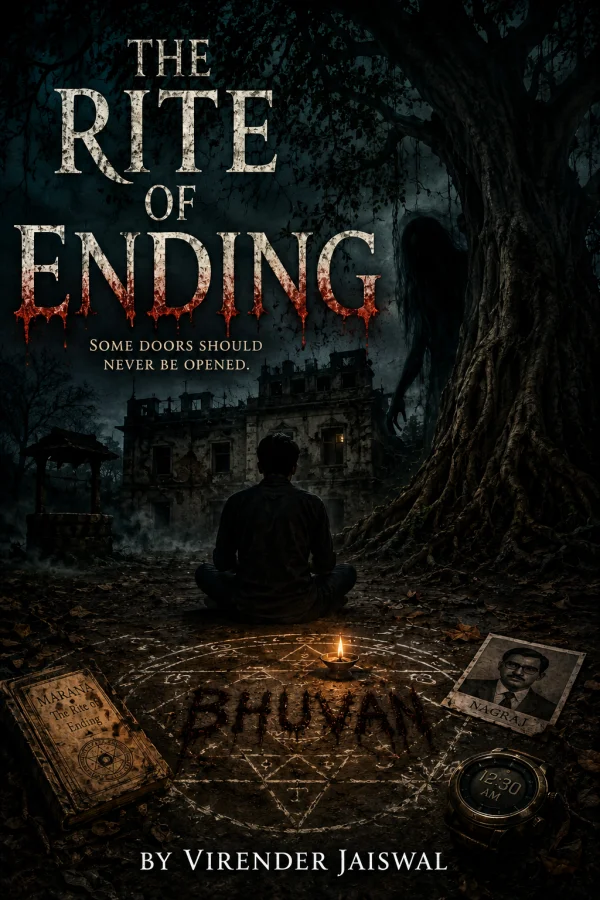
Watch how Virender Jaiswal's The Rite of Ending tightens as the ritual goes wrong:
He realized his chanting had stopped some time ago. He tried to chant but his jaws refused to move.
He could hear his heart slamming against his ribs. Thump. Thump.
Those fragments, "Thump. Thump.", push the reader into a heartbeat rhythm, and the repetition does as much work as the length. The prose and the panic move together.
Slow down where it matters most
Counter-intuitively, some of the most intense moments need more words, not fewer. When something important happens, stretch the moment: sensory detail, a thought, a breath. Readers feel time slow, the way it does in real life during a shock.
In The Iron Box, also by Virender Jaiswal, the climb up the stairs is drawn out step by step, with the character counting under his breath. Nothing much happens, and the tension builds unbearably.
Scene versus summary
A scene shows events in real time, moment by moment, with dialogue and action. Summary compresses time: "Three weeks passed." Scenes slow the story down and pull readers close. Summary speeds it up and moves them along.
Olivia Mukherjee's The Biryani Was for Bruno switches between the two cleverly. A whole day of Meera's freedom passes in a few quick lines:
She called two friends. Gossiped for three hours. Watched half a film with her feet up on Rajiv's side of the sofa, which felt quietly ceremonial.
Then the story slows right down for the phone call where she tells her husband she's made biryani for herself and the dog. The summary skims what doesn't matter. The scene lingers on what does.
White space and paragraph breaks
A one-line paragraph after a long one lands like a punch. Frequent breaks make a page feel faster to read, and dense blocks slow it, though short paragraphs can still drag if nothing is happening. On screens especially, paragraph rhythm shapes how quickly people read.
Chapter and section endings
End a chapter mid-tension and readers keep going. End it on a resolved, restful note and you give them permission to stop. Both are useful. Just choose deliberately.
Diagnosing pacing problems
If the middle drags: look for scenes where nothing changes. Cut them, combine them, or add a complication.
If it feels rushed: look for important moments delivered in summary. Turn one into a full scene.
If it feels monotonous: check whether every scene is the same length and intensity. Vary them. A quiet scene after a frantic one gives readers room to breathe and makes the next peak hit harder.
Try this
Take a key scene from your draft and write it twice: once in under 150 words, once in over 500. Read both aloud. Somewhere between the two is the right speed.
For more on keeping a story moving, see our guides to conflict and storylines.
Ready to put this into practice?
BrightChapters' Write page is free to use, with no account needed to start a draft.
Start Writing Read for InspirationKeep reading: new on BrightChapters
Stories published by writers on BrightChapters. Free to read, no account needed.