How to Write a Villain Readers Won't Forget
A weak villain is evil because the plot needs someone to be evil. A strong one has reasons. You might hate those reasons, but you understand them, and that's what makes your skin crawl.
Villains also come in different sizes. Some want to end the world. Some just want to humiliate one student in front of forty classmates. Both can be unforgettable if they're written with care.
Give them a goal, not just a mood
"Evil" isn't a motivation. Money, power, revenge, love, safety, being right: those are motivations. Decide what your villain wants, as specifically as you'd decide it for your hero.
Then make sure the two goals collide. The best antagonists aren't just obstacles that happen to be nearby. They want something that collides with what the hero wants, whether that's the same prize or a completely different idea of how the world should work.
Let them believe they're right
Most convincing villains don't think of themselves as the bad guy. The tyrant thinks he's keeping order. The bully thinks she's toughening someone up. The con artist thinks his marks are greedy and deserve it.
Write one paragraph from your villain's point of view, explaining why they're justified. You may never use it, but it will change how they talk on the page.
Small cruelty can hit harder than big cruelty
You don't need a body count. Some of the most hateful characters in fiction never raise their voice.
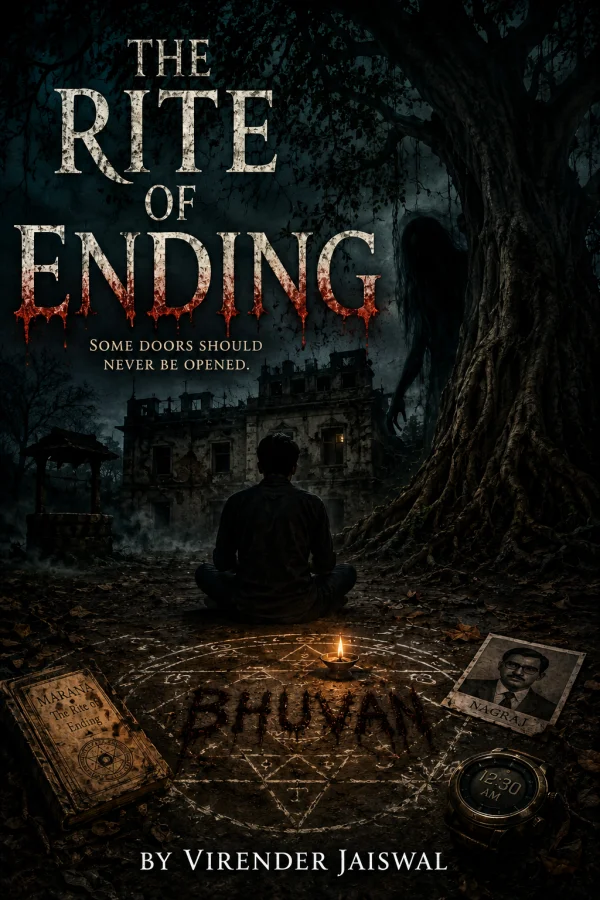
In Virender Jaiswal's The Rite of Ending, the antagonist is a professor named Nagraj, and his weapon is contempt. During a project review he picks up a student's printout and reads from it aloud, mockingly:
"Does anyone actually understand this garbage? My son in fifth standard could have done better research on Shakespeare. Maybe you should consider… "
He doesn't even finish the sentence. The room laughs, and the student is left holding a useless laser pointer. That scene does more to make us hate Nagraj than any amount of description could, because most readers have met a version of him.
Make them competent
A villain who keeps making silly mistakes drains the tension out of a story. Readers need to believe the antagonist could win. Give them intelligence, resources, patience, or a skill the hero lacks.
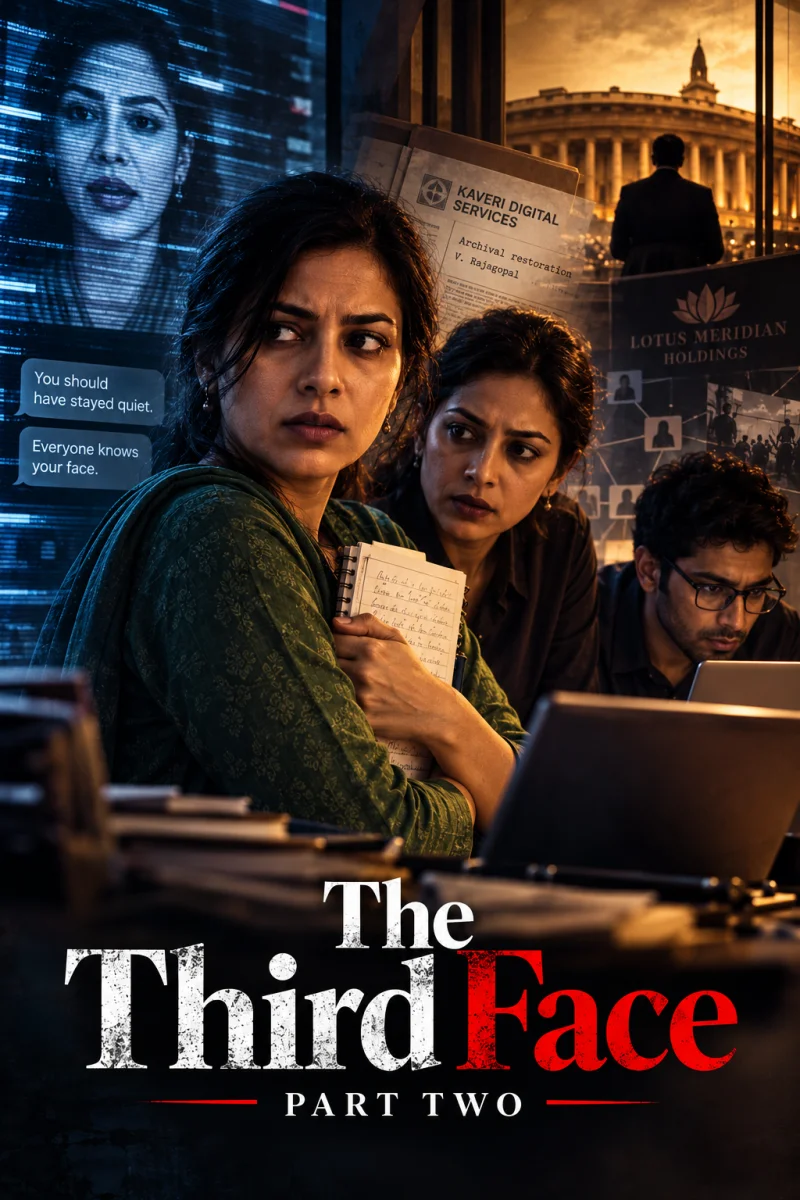
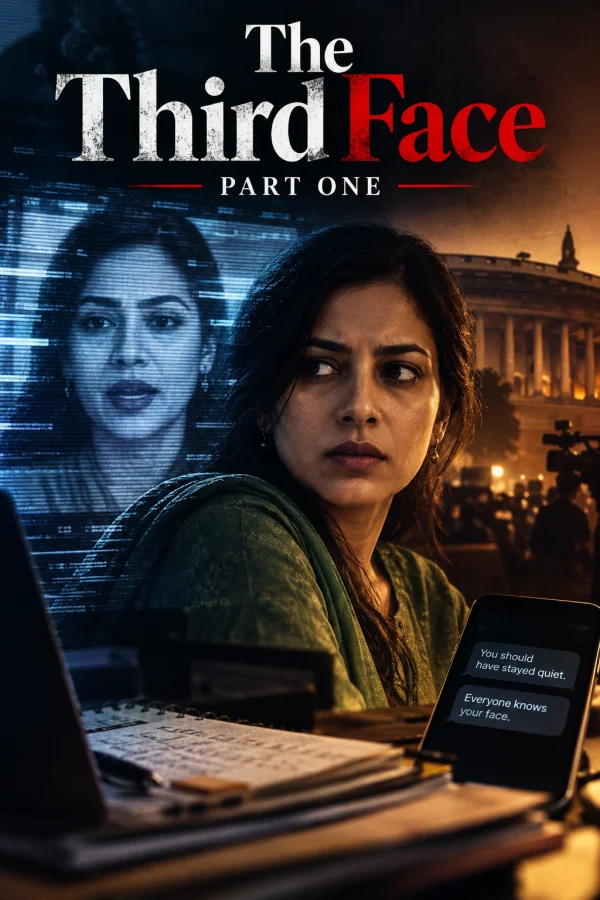
In Virender Jaiswal's two-part thriller The Third Face, the person behind a deepfake of journalist Vasanthi Rajagopal has her footage, her private notebook, and enough knowledge of her work to make the fake say something true. The threat is frightening precisely because it's so well prepared.
Keep them close
The most painful antagonists are often people the hero knows: a colleague, a sibling, a mentor, a husband. In The Third Face, Vasanthi's list of suspects includes her husband, her professional rival and the boss who built her career. Every name on the list costs her something to write down.
If your villain is a stranger, look for a way to make the conflict personal anyway. What does the villain know about the hero that nobody else does?
Sometimes, show less
Monsters and supernatural villains often work best when we barely see them. Explanation shrinks fear.
The creature in Virender Jaiswal's horror story The Iron Box gets only a few lines of description:
It had no face to speak of. Just smooth skin where a face should be, and a single long opening across the middle of it that worked like a mouth.
We never learn where it came from or what it wants. And the ending suggests the lawyer who hired the victim knows more than he's saying, which turns a monster story into something colder: someone keeps sending people into that house.
Give them a moment of humanity (or don't)
A flicker of tenderness, a private grief, a pet they adore: one humanising detail can make a villain far more unsettling, because it reminds us they're a person who chose this.
But it isn't compulsory. Some antagonists work best as forces of nature, and over-explaining them can make them smaller. Choose deliberately.
Common villain mistakes
Monologuing the whole plan. Being cruel in ways that serve no purpose except to show they're cruel. Losing because they suddenly become stupid in the final act. Being defeated by luck rather than by something the hero did or learned.
Avoid those four and your villain will already feel more dangerous.
Try this
Write a scene where your villain does something kind, for their own reasons. Then write the same scene from the hero's point of view, where it looks like a threat. If both versions feel true, your villain is ready.
For more on building any character, hero or villain, read our guide to character development.
Ready to put this into practice?
BrightChapters' Write page is free to use, with no account needed to start a draft.
Start Writing Read for InspirationKeep reading: new on BrightChapters
Stories published by writers on BrightChapters. Free to read, no account needed.