How to Build an Audiobook Habit During Your Daily Routine
Most people who say they don't have time to read are telling the truth. Between work, family, the commute and the hundred small jobs that fill an evening, there isn't a quiet hour left to sit down with a book.
But listening is different. Your eyes and hands might be busy, but your ears usually aren't.
That's the whole idea behind an audiobook habit. You don't carve out new time. You borrow time you're already spending on something else, like the bus ride, the dishes or the walk to the station, and put a story inside it.
And you don't have to begin with a ten-hour audiobook. A six- or eight-minute narrated story is enough to get started. Build the listening habit first. The long books can come later.
Start by finding your empty minutes
Before you pick anything to listen to, spend one ordinary day noticing when your attention is free but your body is occupied. Not your whole day. Just the gaps.
For most people the list is longer than expected. The commute, obviously. Cooking. Folding laundry. Waiting for the kettle, the lift, the doctor. A walk after dinner. The ten minutes in bed before you actually fall asleep.
Write them down with a rough length next to each. "Commute: 25 minutes." "Washing up: 10." You're not making a schedule. You're making a map of where stories could fit.
Only keep the slots that leave your attention free. A familiar walk, a routine chore or a ride on the train is perfect. Driving is different. If you listen in the car, keep the volume comfortable and pause the moment traffic or the road needs all of you. The story will wait.
The last few minutes in bed can work too, but set a sleep timer on your phone, or you'll wake up three stories later with no idea where you dozed off.
Match the story to the slot
This is where a lot of people go wrong. They start a 14-hour audiobook on a 12-minute commute, lose the thread by Thursday, and decide audiobooks aren't for them.
Length matters. A short slot needs a story that can finish, or at least reach a natural pause, inside it.
On BrightChapters, every story comes with free audio narration, and they vary a lot in length, which makes this easy. A few examples from the library:
The Biryani Was for Bruno by Olivia Mukherjee runs about 8 minutes. Meera, tired of being taken for granted, quietly feeds the good biryani to the dog instead of her husband. That's a whole story in the time it takes to wash up after dinner.
GrassGo by Virender Jaiswal is even shorter, around six and a half minutes. It's a family breakfast, a biscuit, and a daughter's "hmm" that her mother knows means another expensive idea is coming. Good for the walk to the station.
Notes in the Margins, also by Olivia Mukherjee, is about 7 minutes. A pencil map tucked inside a library book leads to the boy who drew it.
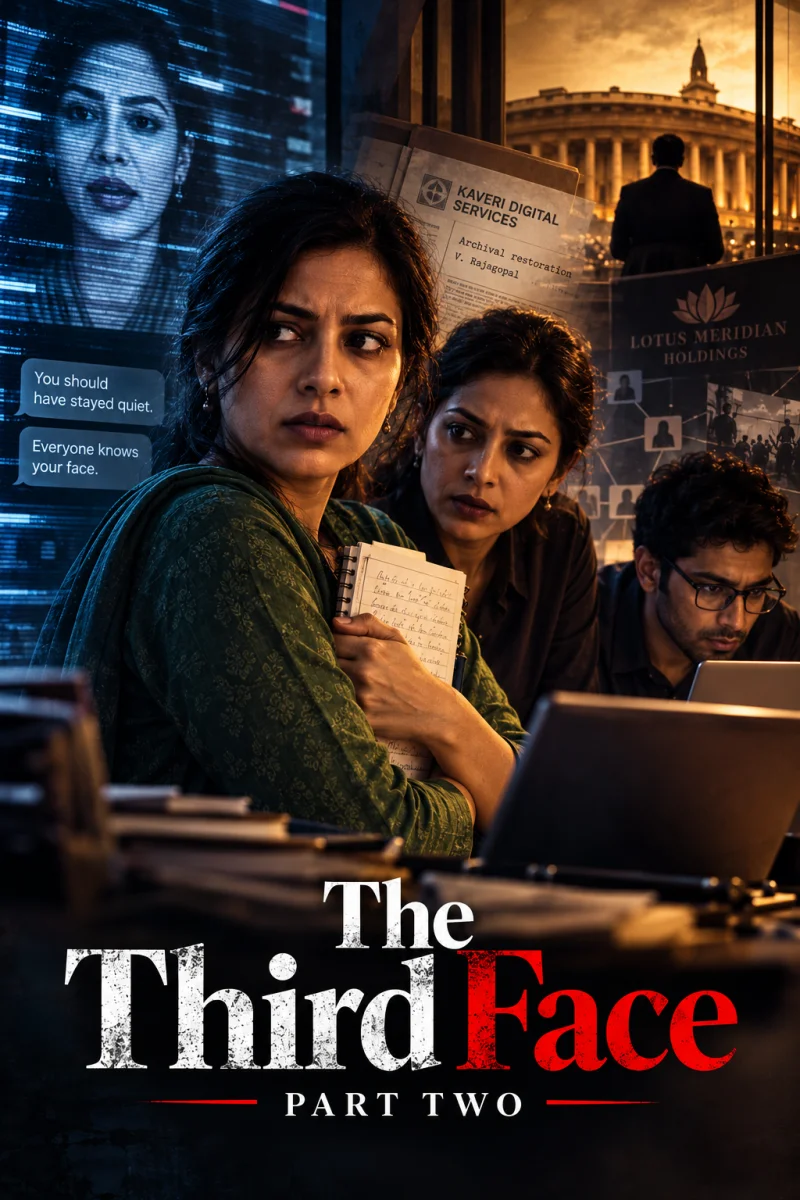
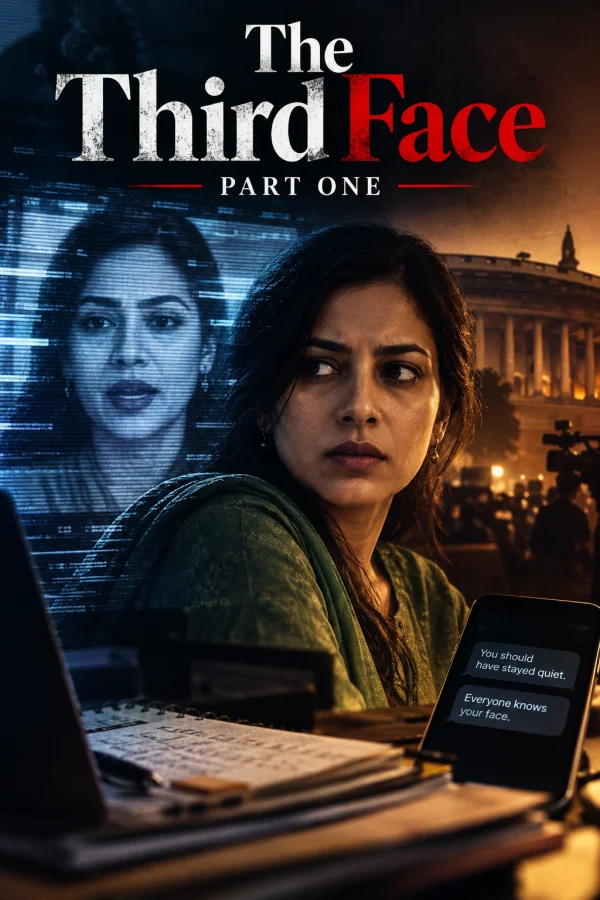
If you have a longer commute, Grief Has Choreography by Ishani Sen (about 11 minutes) or The Third Face – Part One by Virender Jaiswal (about 14 minutes, the first half of a deepfake thriller) will carry you most of the way. If the journey runs long, Part Two picks up right where it leaves off.
Short pieces have another benefit people rarely mention. Finishing things feels good. For a new listener, a few completed stories can be far more rewarding than a week of slow progress through one very long audiobook.
Tie it to something you already do
Habits stick better when they ride on top of an existing routine instead of floating free. So don't decide to "listen more." Decide that when you put your shoes on for the walk, you press play. Or that the moment the car leaves the driveway, the story starts.
The trigger should be specific and physical. "In the mornings" is too vague. "When I fill the kettle" works.
After a while, you may find yourself reaching for play without making a fresh decision each time. That's the point. Listening becomes part of something you already do.
Make starting effortless
The biggest enemy of a listening habit is the thirty seconds it takes to choose something. You're standing at the sink with wet hands, scrolling for a story, and by the time you've found one the dishes are done.
So choose in advance. The night before, pick tomorrow's commute story and leave it open in your phone's browser. You don't need an app for BrightChapters audio. It plays in any mobile browser, and the Stories page has a play button right on each card, so you can start something without opening the full page.
If you've never used the player, our guide to listening to stories on BrightChapters walks through it, speed controls included.
Play with speed (carefully)
Speed is personal. Some people love 1.5x. Others find anything above normal turns a story into a news bulletin.
My honest advice: start at 1x for fiction. Stories have rhythm. A joke needs its pause, and a tense scene needs the silence before the door opens. Once you're used to a narrator, try 1.25x and see whether anything is lost. For non-fiction and book summaries you can usually push faster without missing much.
Don't count it like homework
Some days you'll listen for forty minutes. Some days, none. That's fine.
The mistake is turning listening into another target to hit, with streaks and minimums and guilt when you miss one. The point was to make ordinary moments better, not to add another thing you're failing at.
If you want to track something, track the stories you finished, not the minutes. It's a much nicer list to look back on.
When your mind wanders
It will. Everyone drifts off now and then, especially during a chore that suddenly needs a bit of thought, like following a new recipe.
Just go back. The BrightChapters player has a skip-back button and a progress bar you can drag, so you can find the thread again in a few seconds. And if you notice you're drifting in the same slot every day, maybe that slot is better for something lighter, or for silence. Not every minute has to be filled.
A small test for this week
Pick one slot. Only one. Maybe it's tomorrow's commute, maybe it's tonight's washing up. Choose a story that fits it, leave it ready, and press play when the moment comes.
Do that for five days. You'll have finished a handful of stories without giving up a single minute you didn't already have.
And if you find one you love, leave the author a comment. They'd like to hear it.
Ready to put this into practice?
BrightChapters' Write page is free to use, with no account needed to start a draft.
Start Writing Read for InspirationKeep reading: new on BrightChapters
Stories published by writers on BrightChapters. Free to read, no account needed.